Journal · Scientific
Winter Aesthetic Treatments: Best Procedures and Skin Barrier Care
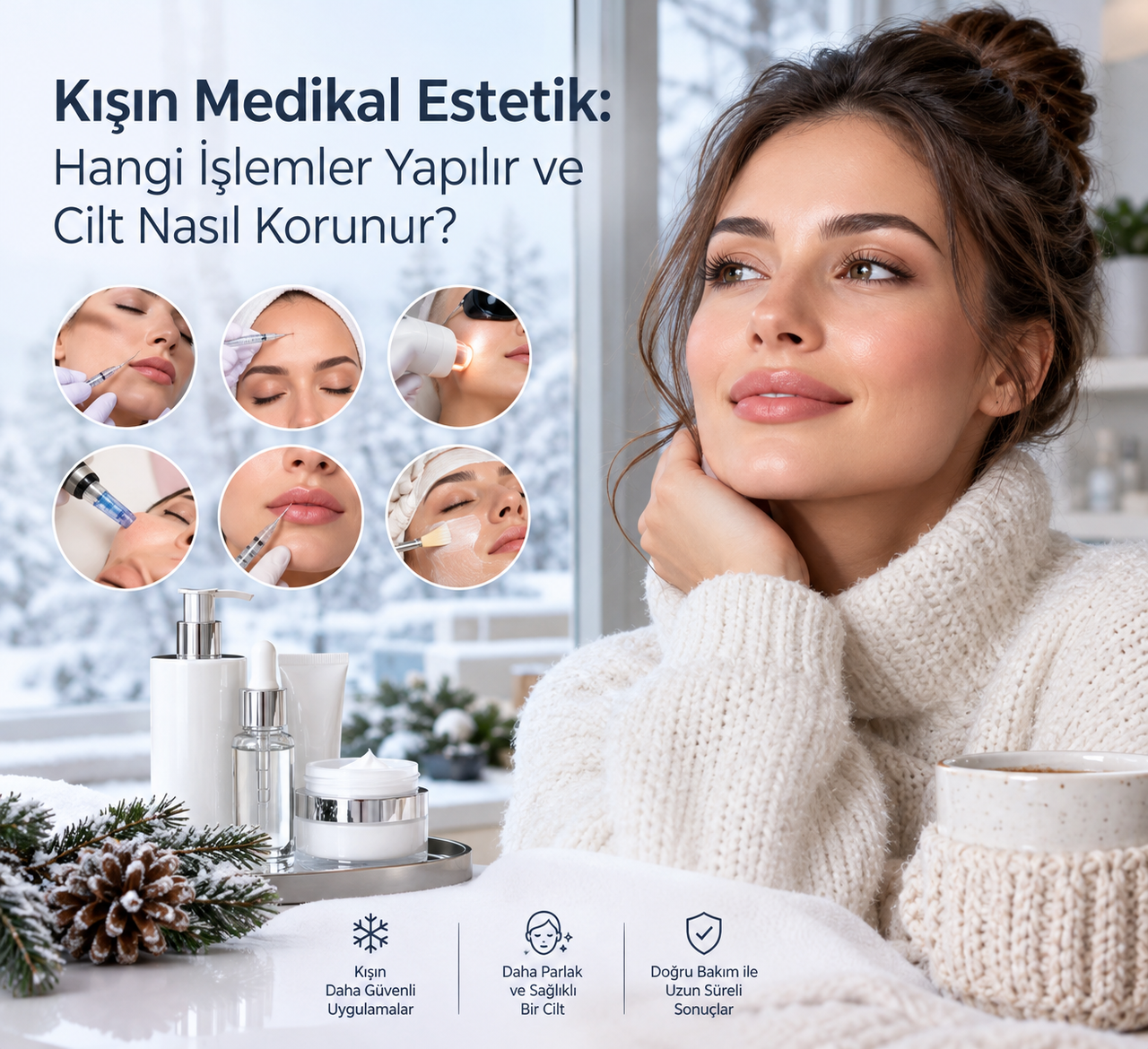
As autumn transitions into the colder months, dermatology and aesthetic medicine enter their most active procedural window. The surge in patient demand for winter aesthetic treatments is biologically grounded; plunging ultraviolet (UV) indices and reduced outdoor sun exposure create an ideal clinical window for intensive skin-resurfacing procedures. Concurrently, however, harsh winter conditions characterized by low relative humidity and dry indoor central heating accelerate epidermal moisture loss and weaken the cutaneous barrier.
Maximising the clinical benefits of winter treatments requires a dual approach that extends beyond the clinic room; patients must shield the delicate epidermal barrier against cold winds and support cellular regeneration with targeted oral supplementation. In this evidence-based clinical guide, grounded in PubMed-indexed dermatological literature and controlled trials, we examine the primary medical aesthetic procedures recommended for winter, protective barrier strategies for the face, and science-backed nutritional protocols for tissue recovery.
How do cold air and low humidity biologically impair the skin barrier?
During the winter season, a sharp decline in absolute ambient humidity exerts direct physical and enzymatic stress on the outermost layer of the epidermis, the stratum corneum. Rapid thermal transitions between freezing outdoor air and overheated, low-humidity indoor spaces trigger elevated transepidermal water loss (TEWL — the passive evaporation of moisture from the skin) and deplete protective surface lipids.
- Humidity gradient and transepidermal water loss (TEWL): When ambient relative humidity falls below 30%, moisture from the hydrated dermis is pulled rapidly outward into the dry atmosphere; in an extensive review published by Engebretsen and colleagues in JEADV (DOI: 10.1111/jdv.13301), low environmental humidity was proven to impair epidermal hydration and increase barrier permeability.
- Suppression of vital barrier proteins: Cold, dry atmospheric exposure downregulates the genetic expression of essential cornified envelope proteins, notably filaggrin (FLG) and loricrin (LOR); this biological disruption depletes the skin of natural moisturizing factors (NMF).
- Enzymatic disruption and winter xerosis: As surface water content drops, lipid-processing enzymes such as beta-glucocerebrosidase lose catalytic efficiency; consequently, the intercellular lipid bilayer becomes brittle, micro-fissures develop, and symptomatic winter xerosis (severe dryness) and reactive sensitivity occur.
Why is winter considered the golden window for winter aesthetic treatments?
In clinical dermatology, patient scheduling for intensive winter aesthetic treatments peaks because procedural complications related to ultraviolet radiation reach their annual minimum. Following treatments that induce controlled micro-trauma or epidermal ablation—such as fractional lasers, deep peels, and microneedling—the foremost clinical risk is post-inflammatory hyperpigmentation (PIH), triggered by aberrant melanocyte activation upon UV exposure.
- Fractional and ablative laser resurfacing: Systems utilizing CO2, Erbium, or fractional technology stimulate dermal remodelling via photothermal injury; as documented by Davis and Callender in JCAD (PMC2921758), post-procedure UV exposure drastically elevates pigmentary complications, whereas winter's reduced UV index offers a far safer therapeutic margin.
- Medium and deep chemical peeling: Epidermal peeling utilizing trichloroacetic acid (TCA), glycolic acid, or modified Jessner formulations allows profound textural rejuvenation without the severe risk of sun-induced hyperpigmentation during low-UV winter months.
- Radiofrequency microneedling and Dermapen: Energy-assisted devices and automated microneedling generate micro-thermal zones to prompt tissue repair; the absence of intense heat, sweating, and strong sunlight in winter allows a significantly calmer recovery phase.
- Biorevitalisation and skin boosters: To revive dull, parched skin, micro-injections of uncrosslinked hyaluronic acid, polynucleotides (salmon DNA), and regenerative exosomes replenish the dermal water reservoir depleted by winter environmental stress.
How should you protect your face and skin barrier in winter?
Preserving barrier integrity before and after procedural interventions is essential to defend against winter atmospheric damage. A clinical winter skincare regimen must prioritise lipid replenishment and moisture occlusion:
- Physiological lipid restoration (Ceramides and Squalane): Lightweight water-based lotions are often insufficient in winter; patients should transition to richer barrier creams featuring a 3:1:1 physiological lipid ratio (ceramides, cholesterol, and free fatty acids) supplemented with biomimetic squalane.
- Intelligent humectants (Hyaluronic Acid and Panthenol): Formulations pairing multi-molecular hyaluronic acid with 5% provitamin B5 (panthenol) bind deep moisture while accelerating epidermal re-epithelialisation and microscopic wound closure.
- Winter photoprotection requirement: Over 90% of photo-ageing and pigment-inducing UVA radiation penetrates cloud cover during overcast winter days; furthermore, snow surfaces reflect up to 80% of ambient UV radiation, making daily broad-spectrum mineral SPF 30-50 mandatory even in winter.
- Gentle cleansing and hot water restriction: Scalding shower water and harsh sulfate surfactants dissolve the stratum corneum's essential sebum blanket; gentle, non-foaming, lipid-preserving cream cleansers rinsed with lukewarm water must be utilised.
Which oral supplements should support recovery after aesthetic procedures?
Energy-based and injectable aesthetic interventions deliver a biological stimulus to initiate controlled tissue remodelling. For fibroblastic cells to synthesize fresh collagen matrices and repair vascular networks efficiently, adequate circulating micronutrient building blocks must be present:
- Hydrolysed collagen peptides (HCP): In an extensive meta-analysis of 19 randomized controlled trials (n=1125 participants) published by de Miranda and colleagues in the International Journal of Dermatology (DOI: 10.1111/ijd.15518), 90 days of oral hydrolysed collagen supplementation significantly enhanced skin hydration, mechanical elasticity, and dermal density compared with placebo.
- Oral hyaluronic acid support: In a double-blind, placebo-controlled trial published by Michelotti and co-authors in the European Journal of Dermatology (DOI: 10.1684/ejd.2021.4174), daily oral intake of 200 mg full-spectrum hyaluronan produced a +10.6% increase in skin hydration and improved dermal firmness over 28 days.
- Vitamin C and zinc synergy: Daily oral intake of 500-1000 mg L-ascorbic acid acts as an obligatory cofactor for prolyl and lysyl hydroxylase enzymes that stabilize the collagen triple helix; concurrently, 15-30 mg elemental zinc is required for DNA polymerase synthesis and post-injury re-epithelialisation, complemented topically by topical vitamin C for antioxidant defense.
- Omega-3 fatty acids and Vitamin D3: Daily supplementation with 1000-2000 mg EPA/DHA omega-3 fatty acids optimizes membrane fluidity and dampens winter cuticular inflammation; meanwhile, supplemental Vitamin D3 compensates for depleted cutaneous synthesis, supporting keratinocyte differentiation and antimicrobial peptide expression.
What can winter aesthetic treatments and oral supplements not do?
While winter climatic timing and targeted nutritional supplementation optimize procedural outcomes, clinical realities must be honestly communicated. In our practice, we emphasize clear boundaries regarding treatment expectations:
- Cannot compensate for poor home care or UV neglect: Undergoing winter laser therapy does not exempt the skin from photoprotection; failure to apply sunscreen or maintain barrier hydration can still lead to post-procedure hyperpigmentation.
- Cannot reverse dynamic muscle creases or deep volume deficits alone: Skin resurfacing and collagen supplements cannot soften active forehead lines; hyperdynamic expressions require targeted botox injections, while structural midface bone and fat resorption necessitate midface filler or biostimulators like Radiesse.
- Oral supplements cannot replace surgical or procedural lifting: Ingestible collagen or hyaluronic acid powders provide metabolic support, but they cannot lift ptotic tissue compartments or replace structural vector repositions.
- Regulatory and approval status: Dietary supplements and nutricosmetics are regulated by food safety authorities (such as the US FDA dietary supplement branch or European EFSA) as dietary products, not as prescription pharmaceuticals, and cannot legally claim to cure skin disorders or single-handedly halt intrinsic ageing.
Frequently asked questions (FAQ)
Why are laser and pigment treatments safer during winter?
Ambient ultraviolet radiation drops considerably during the winter months, and individuals spend less unshaded time outdoors. This seasonal lull substantially diminishes the incidence of post-inflammatory hyperpigmentation (PIH), which represents the primary adverse pigmentary risk following thermal laser or chemical peeling therapies.
Is daily sunscreen truly necessary during overcast winter days?
Yes, because up to 90% of solar UVA radiation—the principal spectrum responsible for melanin induction and matrix collagen degradation—penetrates atmospheric cloud layers and window glass. When snow is present, it reflects up to 80% of UV rays directly onto the face, creating an acute need for daily broad-spectrum mineral sunscreen.
When should you start collagen supplementation around a procedure?
Beginning oral collagen peptides 2 to 4 weeks prior to a scheduled aesthetic treatment pre-loads the systemic amino acid pool with hydroxyproline and glycine. Maintaining this supplementation for 2 to 3 months post-procedure provides continuous substrate for newly activated fibroblasts during dermal matrix remodelling.
Can you receive botox or fillers if your skin is dry and flaky in winter?
Yes, neuromodulators and dermal fillers are placed in intramuscular or deep subcutaneous planes, so superficial epidermal dryness is not a formal contraindication. However, treating surface flakiness with mesotherapy skin boosters or ceramide-rich barrier creams should proceed in parallel to ensure optimal overall skin quality.
Why are hot showers and saunas restricted after medical aesthetic treatments?
Direct heat exposure, thermal saunas, and scalding water cause cutaneous vasodilation that exacerbates procedural swelling, bruising, and microvascular erythema. Additionally, excessive hot water dissolves the delicate lipid matrix of the stratum corneum, severely delaying post-treatment barrier recovery in cold weather.
Consultation and Clinical Assessment
Taking advantage of winter's therapeutic window to repair the skin barrier, target stubborn hyperpigmentation, or replenish dermal hydration requires a personalized physician evaluation. Every individual displays distinct skin phototypes, barrier thresholds, and regenerative capacities. To build an evidence-based winter procedural protocol and tailored supplement plan, you may contact the clinic of Dr. Canan Demir.
Medical Disclaimer
All information and clinical discussions presented in this publication are intended for general information only and educational reference. Nothing herein constitutes individualized medical advice, clinical diagnosis, or prescriptive therapy. Always consult a qualified medical physician before initiating any medical aesthetic treatment or dietary supplementation regimen.
References
- Engebretsen KA, Johansen JD, Kezic S, Linneberg A, Thyssen JP. The effect of environmental humidity and temperature on skin barrier function and dermatitis. J Eur Acad Dermatol Venereol. 2016;30(2):223-249. DOI: 10.1111/jdv.13301
- Davis EC, Callender VD. Postinflammatory hyperpigmentation: a review of the epidemiology, clinical features, and treatment options in skin of color. J Clin Aesthet Dermatol. 2010;3(7):20-31. PMC2921758
- de Miranda RB, Weimer P, Rossi RC. Effects of hydrolyzed collagen supplementation on skin aging: a systematic review and meta-analysis. Int J Dermatol. 2021;60(12):1449-1461. DOI: 10.1111/ijd.15518
- Michelotti A, Cestone E, De Ponti I, Pisati M, Sparta E, Tursi F. Oral intake of a new full-spectrum hyaluronan improves skin profilometry and ageing: a randomized, double-blind, placebo-controlled clinical trial. Eur J Dermatol. 2021;31(6):798-805. DOI: 10.1684/ejd.2021.4174
- Goad N, Gawkrodger DJ. Ambient humidity and the skin: the impact of air humidity in healthy and diseased states. J Eur Acad Dermatol Venereol. 2016;30(8):1285-1294. DOI: 10.1111/jdv.13707