Journal · Clinic Approach
Medical Facts and a Safe Approach to Midface Fillers
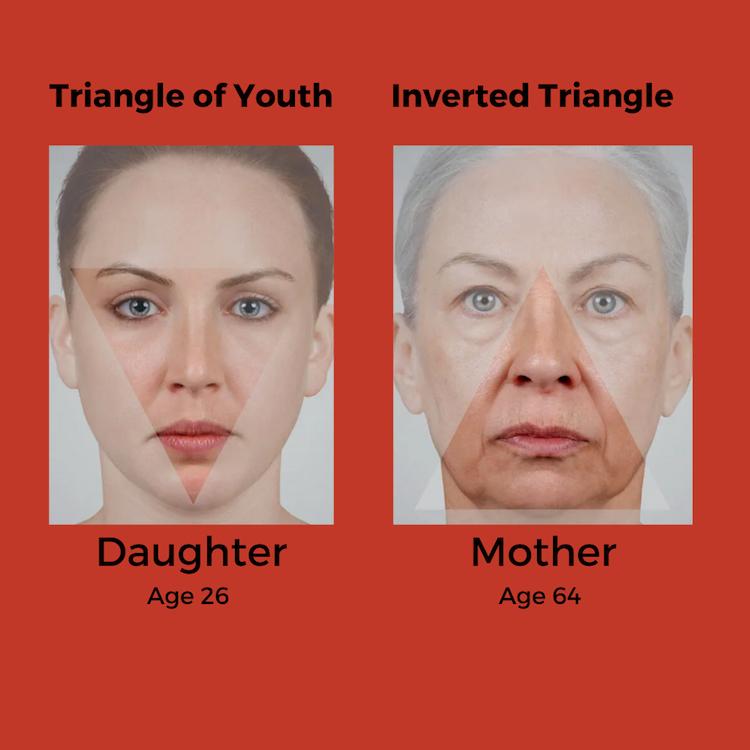
Today, we will discuss one of the most requested procedures in our clinic for non-surgical facial rejuvenation: midface fillers and the medical details behind this treatment. The midface is the keystone of a youthful and dynamic appearance, connecting the upper and lower parts of the face.
What Happens to Our Face as We Age? The effects of aging on our face consist of more than just superficial wrinkles on the skin. As the years pass, volume loss occurs in the middle part of our face, and the structural supports of the face weaken. The signs of aging in the midface region anatomically manifest as follows:
- Progressive bone loss (resorption) occurs in the facial bones (especially the cheekbones and upper jaw bones).
- Subcutaneous fat pads lose volume and sag downwards under the influence of gravity.
- With the melting of under-eye support tissues, under-eye bags become prominent, and the depressions known as tear troughs deepen.
- Sagging cheek fat tissue causes the nasolabial folds, which run from the edges of the nose to the lips, to appear deeper.
Midface Shaping with Fillers Within the scope of filler applications at our clinic, we frequently use hyaluronic acid (HA) based dermal fillers, which have low immunogenicity and are safe to use, to reconstruct the midface region. Depending on anatomical needs, midface shaping is divided into three main areas:
Upper Cheek (Cheekbones)
- Touches made to the cheekbones provide support to sagging tissues, creating a lifting effect on the face.
- To restore the lost volume in this area, injections are administered in small boluses onto the bone membrane (periosteum) in the lateral, anterior, and medial cheek regions.
Lid-Cheek Junction
- To erase the tired and hollow expression under the eyes, the procedure is applied to the junction line of the cheek and the lower eyelid.
- Since this area is anatomically very sensitive, it is imperative to place the product in the correct anatomical plane to minimize the risk of persistent swelling (malar edema) and bruising.
Submalar Area
- The goal is to fill the submalar hollows that empty with age and to restore the facial oval.
- To avoid important vessels such as the facial artery and vein, the filler is placed under the skin using special fanning or deep bolus techniques.
Medical Facts: The Importance of Safe Application Every intervention in the facial region requires serious knowledge of medical anatomy. In our face, especially in the midface region, there are highly critical vascular networks such as the infraorbital vessels, facial artery, and angular artery.
The scientific facts that must be considered for a safe medical aesthetic procedure are:
- It is mandatory for the specialist physician applying the filler to have full mastery of the vascular (artery) and nerve anatomy of the face.
- To avoid severe complications such as intravascular occlusion during the procedure, it is of vital importance to perform aspiration prior to injection and to administer the product slowly.
- In sensitive areas like the under-eye and cheek, blunt microcannulas should be preferred instead of needles to minimize vascular damage, bruising, and edema.
- In order to intervene immediately in the event of a potential vascular complication or overcorrection, it is essential to have the "hyaluronidase" enzyme, which can reverse the procedure, readily available.