Journal · Treatments
What Is Baby Botox? Micro-Dosing for Natural Facial Expressions
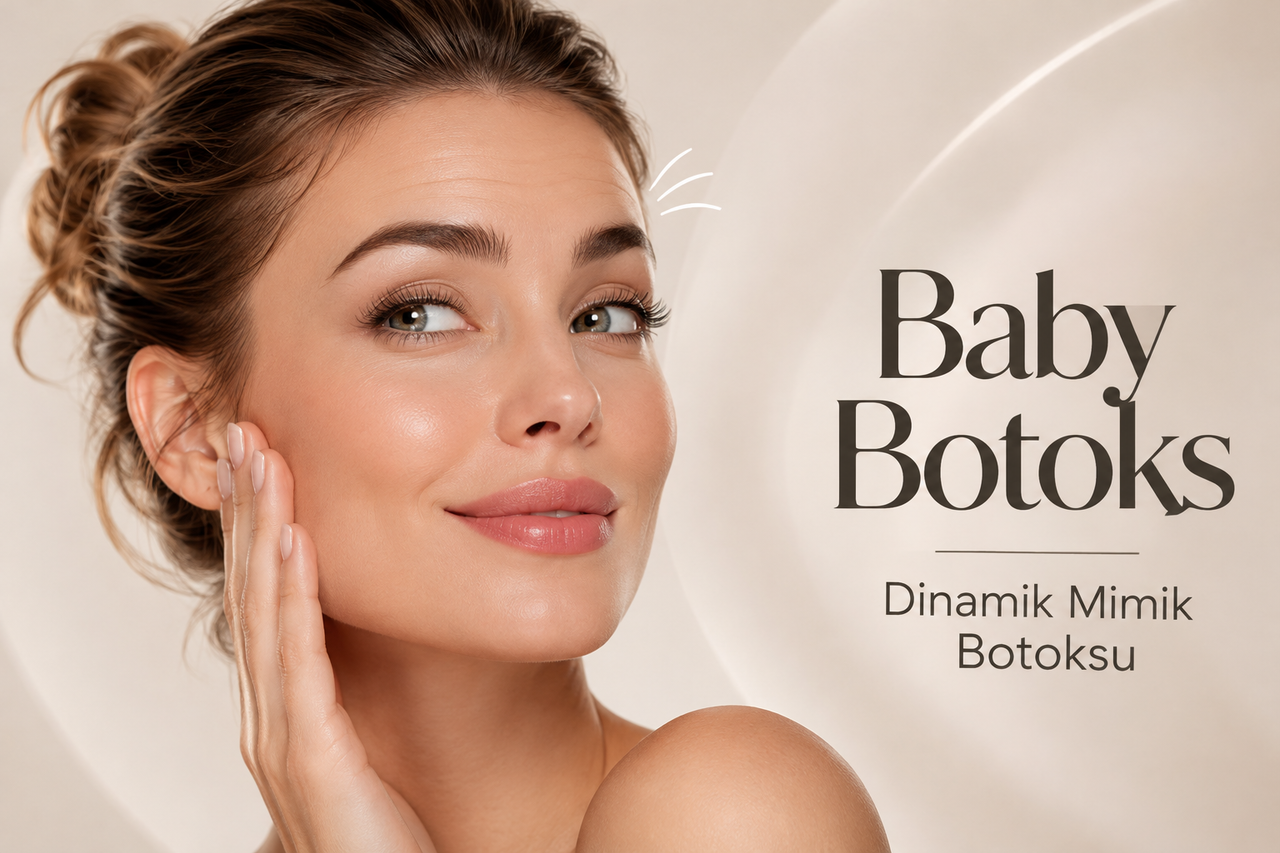
In modern aesthetic dermatology, a profound conceptual shift has reshaped clinical practice. The outdated preference for hyper-tight foreheads, unnaturally elevated arches, and rigid expressions has been widely replaced by baby botox and precision micro-dosing protocols that respect authentic facial dynamism. Today, discerning patients do not seek to mask their identity or advertise cosmetic intervention; they desire a refreshed, well-rested complexion that softens signs of fatigue while preserving genuine emotional expression.
This contemporary clinical philosophy aligns seamlessly with prejuvenation—the proactive management of dynamic facial lines in individuals in their late twenties and early thirties before rhytids become permanently etched into the dermis. In this comprehensive evidence-based guide, informed by peer-reviewed literature and clinical practice, we evaluate the biological mechanisms of baby botox, its distinctions from conventional dosing, safe micro-titration principles, and realistic therapeutic limits.
Why has baby botox emerged as a dominant global aesthetic trend?
The most common concern voiced by prospective neurotoxin patients is the fear of looking frozen or losing natural periorbital expression when smiling. The rapid surge in patient demand and search volume for dynamic micro-dosing is driven by three pivotal clinical advantages:
- Preservation of natural facial expressions and micro-emotions: Rather than completely paralyzing underlying muscle bellies, micro-dosing selectively calms hyperactive superficial fibers; this allows patients to convey frowning, smiling, and surprise without creating harsh dermal creasing.
- Proactive prevention of etched rhytids (Prejuvenation): By attenuating hyperdynamic muscular contraction before temporary movement lines convert into permanent static crevices, dermal collagen integrity is preserved; in a benchmark study by Carruthers and colleagues published in JAAD (DOI: 10.1016/j.jaad.2005.02.049), regular early neuromodulation was shown to prevent long-term progressive wrinkle deepening.
- Demands of high-definition digital presence: For professionals who rely heavily on emotive communication—including physicians, corporate executives, attorneys, and actors—a frozen countenance is a distinct professional liability; micro-dosing provides an imperceptible, polished revitalization suitable for high-definition video and public presentation.
What are the key distinctions between baby botox and standard botox?
Both clinical techniques utilize Botulinum Toxin Type A formulations approved by the United States Food and Drug Administration (FDA) and international regulatory bodies. The fundamental distinction lies not in the pharmacology of the active neurotoxin, but in anatomical mapping, injection depth, and volumetric titration:
- Micro-titration and conservative unit distribution: Conventional protocols administer standard doses (frequently 15 to 25 units per anatomical zone) designed for comprehensive motor blockade, whereas baby botox employs conservatively titrated micro-doses (typically 5 to 10 units per zone) tailored to muscular mass and tissue thickness.
- Superficial injection plane and mesobotox benefits: Neurotoxin droplets are placed intradermally or within the most superficial muscular fibers rather than deep intramuscularly; as demonstrated by Wu in Plast Reconstr Surg (DOI: 10.1097/PRS.0000000000001777), superficial microbotox techniques simultaneously relax target fibers, refine follicular pores, and decrease sebaceous activity.
- Metabolic clearance and procedural longevity: Because lower total units are introduced into the neuromuscular junction, the compound is metabolized more rapidly by systemic cellular pathways; the average longevity spans 2.5 to 4 months compared to 4 to 6 months for higher doses, though consistent maintenance gradually prolongs muscular relaxation.
Which anatomical regions and candidates benefit most from baby botox?
The baby botox framework is engineered for patients seeking subtle, uncompromised rejuvenation without altering baseline facial morphology. When executed with meticulous vector assessment, it delivers exceptional clinical outcomes in specific anatomical zones:
- Frontalis and glabella complex: Horizontal forehead lines are softened while maintaining eyebrow elevation; the harsh corrugator contraction associated with anger is softened while communicative focus remains authentic.
- Periorbital lateral lines (Crow’s feet): Eye crinkling associated with genuine smiling remains unobstructed, while lateral dermal fracture lines extending across the temporal border are prevented.
- Dermal texture, pore refinement, and sebum modulation: In a controlled clinical trial led by Shah (PMID: 18788497), intradermal micro-droplet neurotoxin administration successfully modulated pilosebaceous units, significantly decreasing dermal shininess and reducing visible pore diameter.
What are the biological limitations and boundaries of baby botox?
Honest communication regarding procedural capabilities is paramount to ethical aesthetic care. In our practice, we ensure that patients understand what micro-dosing cannot clinically achieve:
- Cannot eradicate deep static furrows alone: When wrinkles are visible as etched grooves even when facial muscles are fully relaxed, conservative micro-dosing cannot completely unseat the fold; these patients require combination regimens incorporating polynucleotides or hyaluronic acid to restore dermal volume.
- Cannot elevate profound tissue laxity or volume deflation: Gravitational ptosis of the malar fat pads, heavy jowling, and temporal hollowing are structural deficits that neuromodulators cannot lift; managing these concerns demands structural dermal fillers or collagen biostimulators like calcium hydroxylapatite.
- Strict requirement for certified products and medical injectors: Botulinum toxin must always be administered using authorized medical preparations by certified physicians; improper placement or non-regulated formulas can precipitate severe adverse outcomes such as blepharoptosis (drooping eyelid) or functional facial asymmetry.
Frequently Asked Questions (FAQ)
Will people be able to tell that I had baby botox?
No, a correctly administered baby botox treatment is virtually undetectable to casual observers. There is no swelling or unnatural tension; colleagues and friends will simply perceive you as well-rested, energized, and vibrant.
Will my eyebrows become unnaturally arched or frozen?
Absolutely not. An unnatural "Spock brow" occurs when high neurotoxin doses disrupt the equilibrium between eyebrow elevators and depressors. Because micro-dosing distributes tiny quantities with anatomical precision, natural brow architecture is fully preserved.
How quickly does the treatment take effect and how long does it last?
Initial cellular binding at the neuromuscular junction begins within 3 to 4 days, with complete therapeutic stabilization visible between days 10 and 14. Longevity averages approximately 3 months, and repeating the treatment three times annually conditions the muscles into sustained relaxation.
At what age should a patient consider starting baby botox?
Most patients benefit starting around age 25 to 30, when early dynamic expressions begin to linger subtly on resting skin. Intervening at this juncture represents the most effective strategy for preventing permanent dermal fractures.
What post-treatment precautions should be observed?
Patients should remain upright for at least 4 hours following injection. For the first 24 hours, strenuous exercise, saunas, hot showers, and aggressive facial massaging must be avoided to prevent unintended local neurotoxin dispersion.
Consultation and Clinical Assessment
Every individual possesses a distinctive pattern of dynamic muscular kinetics, baseline asymmetry, and dermal elasticity. The clinical mastery of baby botox lies in reading real-time communicative movement rather than following rigid templates. To preserve your authentic expression while restoring vital facial freshness, you may schedule an expert evaluation at the Dr. Canan Demir clinic.
Medical Disclaimer
This article is prepared for general medical information only and does not constitute individualized diagnostic, prescription, or therapeutic advice. Patients must undergo a comprehensive in-person medical evaluation by a licensed healthcare professional prior to initiating any aesthetic procedures.
References
1. Carruthers A, Carruthers J. Botulinum toxin type A: history and current cosmetic and non-cosmetic applications. J Am Acad Dermatol. 2005;53(3):407-422. DOI: 10.1016/j.jaad.2005.02.049.
2. Wu WT. Microbotox of the lower face and neck for sustainable skin tightening and wrinkle reduction. Plast Reconstr Surg. 2015;136(5S):92S-100S. DOI: 10.1097/PRS.0000000000001777.
3. Shah AR. Use of intradermal botulinum toxin to reduce sebum production and pore size. J Drugs Dermatol. 2008;7(9):847-850. PMID: 18788497.
4. Fagien S, Carruthers JDA. A prospective, randomized, double-blind study of onabotulinumtoxinA for the treatment of dynamic facial rhytids. Aesthet Surg J. 2014;34(5):747-759. DOI: 10.1177/1090820X14532650.
5. Dayan SH, Arkins JP, Patel AB, et al. A double-blind, randomized, placebo-controlled health-outcomes survey on the effects of onabotulinumtoxinA. Dermatol Surg. 2010;36(Suppl 4):2088-2097. DOI: 10.1111/j.1524-4725.2010.01775.x.